Many things can slow down a software development project - changes in the requirements, increasing technical debt, code review pile-ups, and small hiccups along the way add up and delay the timeline. However, one of the most common problems teams encounter is talent shortage. It is important to stress that it is often the gap in skills, not a lack of people, that negatively impacts projects.
Finding the right talent, especially niche talent or talent involving emerging tech like AI, can be a long and costly journey. IDC estimates that the global market would face a shortage of around four million developers by 2025. At the same time, data from the U.S. Bureau of Labor Statistics showed nearly 200,000 developer roles would need to be filled every year through the end of the decade. While it is essential to find and fill crucial positions, not every team can afford to wait for a month-long recruitment process.
The solution? Utilizing software team extension services. It is a simple solution to gain the right skills for your team while enjoying structural flexibility. Let’s dive right in!
Key Takeaways:
- Software team extension is a flexible engagement model where vetted external developers work as a direct extension of your in-house team, while you retain full control over delivery and quality.
- Team extension model provides a wealth of benefits, including immediate access to a talent pool, fast skill gap coverage, cost-saving, and faster time-to-market.
- Still, there are challenges in integrating the extended team, communication, management, and security.
- To embed an extended team, there are 5 basic steps you need to go through:
- Internal, strategic assessment and planning,
- Validate the partner’s capabilities,
- Set up an internal team, integrate and onboard,
- Manage security, governance, and protect IP,
- After the team goes live, you’ll need to continuously monitor and optimize.
What does Software Team Extension mean?
Software team extension (also known as staff augmentation) is a flexible engagement model where external developers or specialists are integrated directly into your in-house team. They work within your existing workflows, tools, and processes, reporting to your project leads and contributing from day one as part of a single, unified team.
Unlike traditional outsourcing, team extension gives you full control over delivery and quality while also providing on-demand access to specialized skills and scalable capacity.
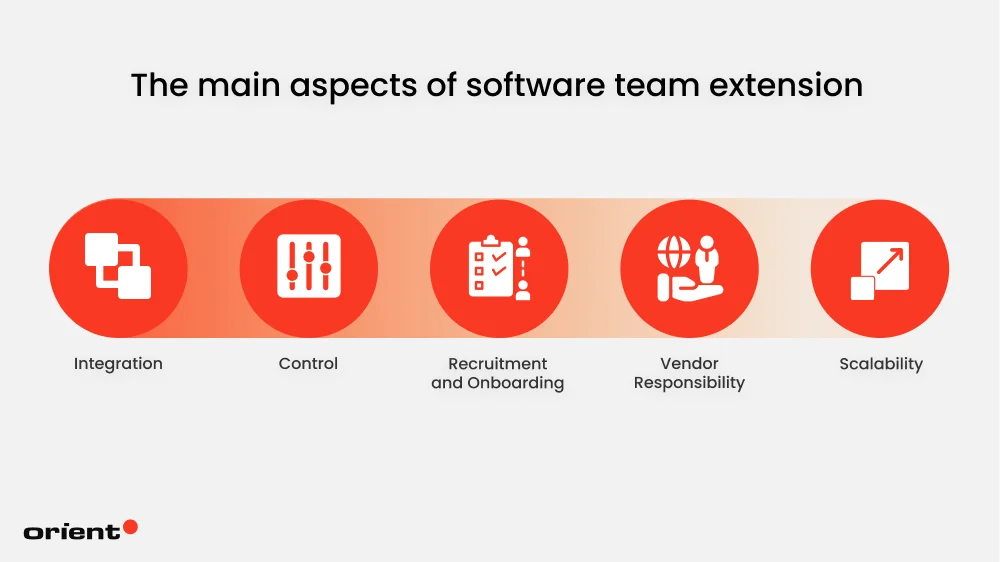
In short, the team extension model involves the following key aspects:
- Integration: Extended team members join the daily tasks of the in-house team, like daily standups or planning sessions.
- Control: You, the hiring company, have full control over the project.
- Recruitment and Onboarding: the tech vendor sources candidates, but you decide who is the most suitable one.
- Vendor Responsibility: The vendor takes care of recruitment, payroll, benefits, etc.
- Scalability: Depending on real-time project demands, the team can be scaled up or down easily.
Benefits of the Software Team Extension Model
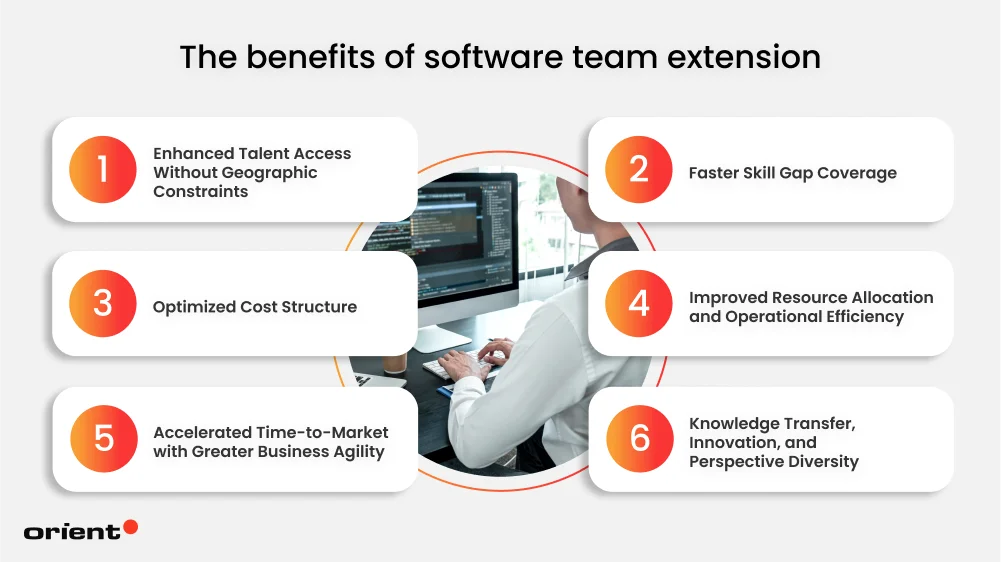
Enhanced Talent Access Without Geographic Constraints
An extended development team removes all the limits of traditional hiring methods, including geographic constraints. A company in midwestern America, for example, will have immediate access to a team of AI specialists in Vietnam, bypassing the lengthy recruitment process.
Another strategic advantage of the team extension model is the possibility of creating a 24-hour development cycle. In the same example, the team in America can put in place an efficient “handoff” process. Once their workday ends, it’s time for the extended team’s workday to begin. This “handoff” process can cut development time significantly and reduce burnout in team members due to overtime.
Faster Skill Gap Coverage
Talent shortage is a problem that almost every company faces. Traditional recruitment efforts often fail when facing emerging market opportunities or technical challenges. Challenges like these often ask for fast responses.
Having an extended team is how you generate these fast responses. Not only does this model give you a significant competitive advantage, but it also saves a lot of time as the team has the right expertise to implement the new tech efficiently. Think of implementing a chatbot in 1 month versus 3 to 4 months, including recruitment time.
Optimized Cost Structure
Team extension is more than a lower price tag; it is a way for companies to save costs systematically throughout the development cycle.
- First, companies can cut high costs on recruitment. Beyond tangible fees like job ads, there are also costs involving recruiters’ fees, interviews, screening, and multiple back-and-forth communications that slow down the entire timeline.
- Everything involving employees’ payroll, benefits, and, in cases of remote extended teams, physical office space, equipment, etc., is all provided and taken care of by your provider.
- Last but not least, you can leverage lower costs and differences in compensation due to lower living costs without compromising quality.
Improved Resource Allocation and Operational Efficiency
Development team extension allows businesses to be more proactive and precise with resource allocation. Instead of maintaining excess capacity to utilize during peak seasons, businesses can easily scale the team up or down. Companies can choose to extend their team or solely rely on the existing core team based on the project’s current demand.
Having control over the team structure gives clear insight into budgeting, especially when compared to recruiting an in-house staff. Fixed rates, clear scaling tiers, and predefined skill costs make budgeting, forecasting, and control easier.
Accelerated Time-to-Market with Greater Business Agility
Markets are moving at an extremely fast pace today, and speed and adaptability are deciding factors for winners. Again, when opportunities come up, it is those who respond quickly that lead the market. Team extension model not only gives one the ability to respond quickly but also provides proven expertise to seize emerging opportunities and avoid threats.
Instead of struggling for months to find the right hire, businesses can deploy the suitable skills immediately. You know what they say: fail fast, learn fast, succeed fast.
Knowledge Transfer, Innovation, and Perspective Diversity
Adding an extension to your team brings in fresh perspectives in addition to specialized expertise. The extended team will challenge assumptions or “how it’s always been done” while introducing proven methodologies that might even come from other industries. Over time, this collaboration drives knowledge transfer, including upskilling internal teams, speeding up adoption of new technologies, and embedding best practices that last well beyond a single project.
When Does Software Team Extension Make Sense?
While the team extension model brings multiple benefits to the table, it might not always be the right solution. Every business is unique, but here are a few tellings that let you know software team extension might be the answer to most of your problems.

- Closing Skill Gaps in Your Existing Team: To respond quickly to changing market conditions or opportunities, companies can’t always afford to go through the lengthy recruitment sessions. Having a vendor provide a dedicated team or staff to solve the emerging problem is efficient and cost-effective.
- Scaling Your Development Team without the Growing Pains: Infrastructure gaps, technical and architectural debts, workflow disorganization, communication decline, or a lack of team cohesion are some common problems when a team scales too fast. Solving these problems requires an extensive look at the existing processes and an upgrade of infrastructure, which is expensive and difficult to execute during chaotic development processes. An extension team allows you to bypass all these growing pains,
- Improving Project Efficiency and Meeting Deadlines: Perhaps what your team is missing isn’t specific skill sets, but manpower. If you find yourself in this situation, team extension can temporarily give you a much-needed hand to push the project to the finish line on time.
- A More cost-effective and Agile Way to Build Software: Team extension is a great choice for those who have cost-efficiency as a top priority. As mentioned earlier, you and your team can save plenty of costs on recruitment, equipment, and office space, all while still being able to enjoy high-quality deliverables.
Common Challenges of Software Team Services
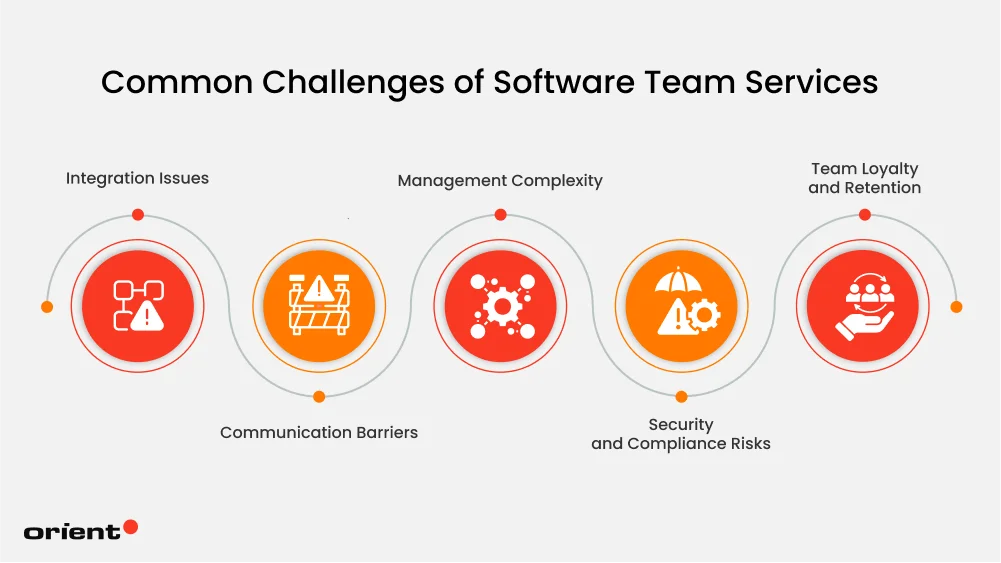
Like every other software development model, software team extension comes with its set of challenges.
- Integration Issues: Blending external developers isn’t always a smooth process. There might be an “us vs. them” mentality that results in the lack of deliberate knowledge sharing, creating unwanted knowledge silos. Poor documentation can also create gaps once the partnership ends.
- Communication Barriers: Working with teams abroad can create 24-hour development cycles, but it also comes with multiple challenges. This includes language barriers, miscommunication due to cultural differences, and delayed feedback, where a simple blocker may take a day to resolve since the team isn’t online yet.
- Management Complexity: Managing both internal and external teams requires clear communication policies, full transparency, and well-defined ownership to keep everyone aligned. Failing to do so leads to slow deliveries (which completely defeats the original intention of speeding up the development process) or weakened accountability.
- Security and Compliance Risks: When external developers need access to your codebase, infrastructure, or customer data, security and compliance become non-negotiable, especially in regulated industries like fintech or healthcare. NDAs alone aren’t enough; you also need secure workflows, strict access controls, and clear compliance standards.
- Team Loyalty and Retention: External employees may not be as invested in the company’s long-term success. To ensure their motivation and continuous high-quality work, it’s crucial to foster a sense of inclusion.
Best Strategies to Integrate an Extended Software Team
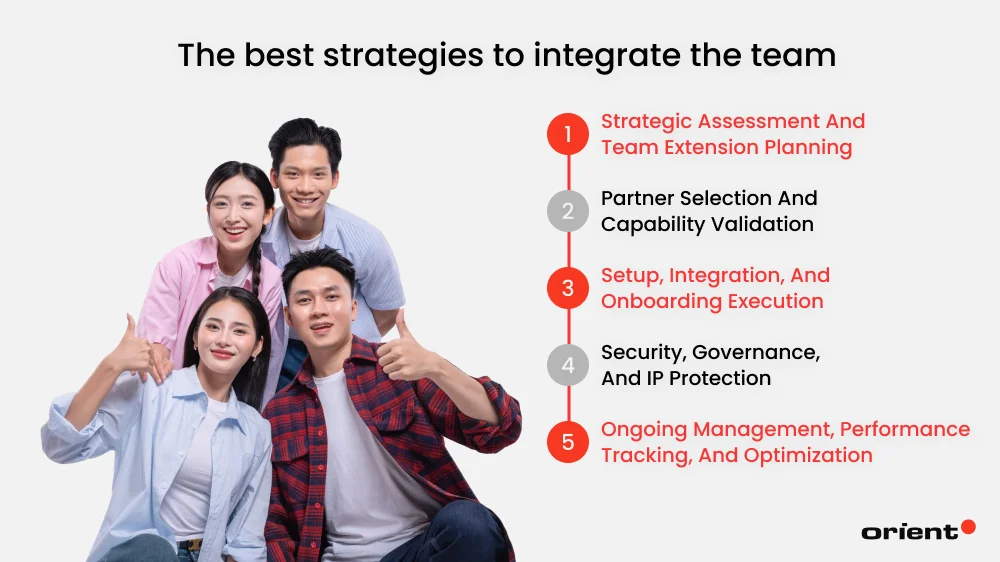
Strategic Assessment and Team Extension Planning
A team extension strategy starts before you even talk to vendors.
First, try answering the 2 key questions:
- Why are you extending your team?
- What gaps are you trying to fill? Are you extending for capacity (more hands) or capability (specific niche skills)?
Define, as clearly as possible, the exact skill levels, roles, headcounts, and how the extended team will fit into your workflow, day to day.
Next, take a good look at internal readiness. Is the team’s foundation stable enough to add a team of developers? Does the team have clear documentation and ownership? Is the product map fixed, or does it change every 2 weeks? Get your ducks in a row first; otherwise, adding an extended team will only add to the chaos.
Partner Selection and Capability Validation
Do your homework before you talk to the vendors. Instead of focusing on the marketing pages, try to find out how the company recruits, vets, and retains its engineers. Do they have experience in your industry or specific tech stack? This can make all the difference, as the team can jump in and start working right away, and you won’t have to spend time training the important aspects of your specific industry.
Once you get talking to your vendor, don’t be afraid to ask for their most recent case studies (don’t just read about them on their website). Ask about their internal developer turnover rate. High turnover means your extended team might change every three months, which might negatively impact the project’s productivity.
Last but not least, technical skill is a baseline, but communication is the ceiling. Strong developers aren’t afraid to ask questions or challenge the assumptions that are slowing your team down.
Setup, Integration, and Onboarding Execution
Onboarding is where most extension projects fail. Don’t treat onboarding like an afterthought, but rather, as a crucial project.
- Define how work should flow between internal and extended team members.
- Lock in your core tools, like Slack or GitHub, early in the development process.
- Make sure the extended team feels welcome. Let them in on the context: why the project exists, how decisions are made, and define what “good” performance means in your team.
- Document everything – coding standards, architecture decisions, etc.
This might seem like a lot of work, but the clearer the setup, the faster the extra hands can move on to making actual contributions.
Security, Governance, and IP Protection
Trust with your team extension should be backed by structure. Any time you share access to code, infrastructure, or customer data, security and governance need to be locked in upfront.
- NDAs are non-negotiables.
- Secure collaboration tools with end-to-end encryption.
- Implement role-based access and least-privilege permissions.
- Establish clear rules around data handling and IP ownership.
- If you operate in heavily regulated spaces like healthcare or fintech, verify the vendor’s certifications (ISO 27001, SOC2, HIPAA). Ask for their latest audit and make sure they have a clear understanding of compliance requirements.
Ongoing Management, Performance Tracking, and Optimization
Don’t just set the team up and then forget about it. Managing a hybrid team requires more intentional leadership than running a fully internal one.
- Set up regular feedback loops to prevent knowledge silos.
- Build routines that create overlap in working time (if you work with a team from a different time zone).
- Encourage the team to ask questions, so issues will surface early. After all, managing a digital team often leads to lower satisfaction rates compared to hybrid models. Regular check-ins also prevent burnout, which nearly three out of four developers have experienced at some point in their careers.
- Track the team’s outcomes, not just activity.
- Review performance and progress regularly.
- Most importantly, treat the extended team like part of your core team. When people feel included and accountable, team extension stops being a staffing tactic and becomes a real growth lever.
How Clients Achieved Faster Growth Using Orient Software’s Team Extension Model
Now that we’ve covered the benefits, here’s how the software team extension model plays out in real-world projects, and why it works.
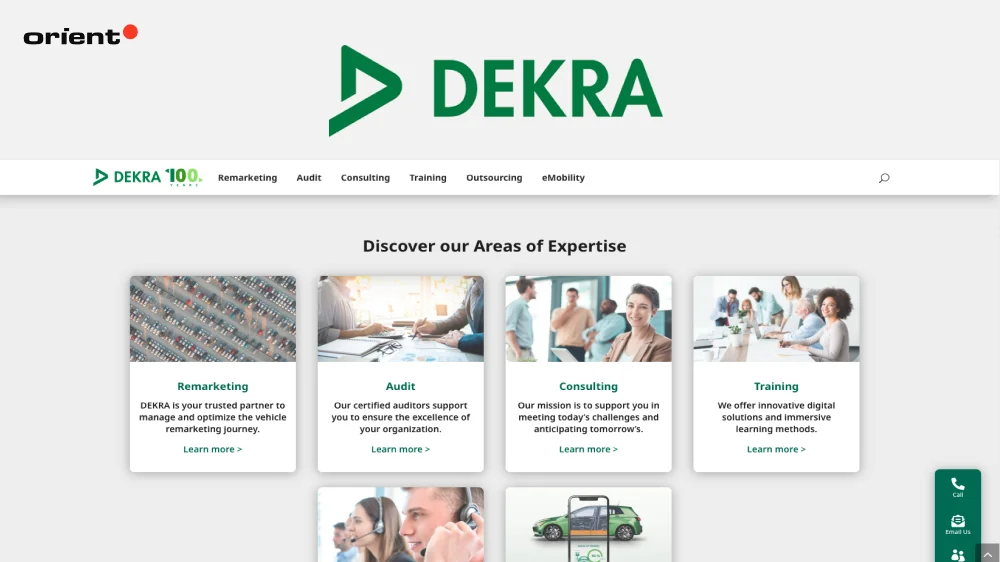
DEKRA is a global leader in testing, inspection, and certification, known for setting standards in vehicle safety, workplace compliance, and operational risk management. The business needs to modernize its legacy inspection systems while building a new health and safety platform. Orient Software has provided DEKRA with a dedicated software team of 12 members, upgrading and delivering new business features. This extended-team setup gave DEKRA continuity, flexibility, and deep product knowledge, enabling successful launches like the upgraded AUG2 and steady progress on OPHSE without losing control or slowing down delivery.

Plenti is another case where a dedicated team helped the company reach its goal. Plenti is one of Australia’s leading fintech lenders, known for delivering faster and fairer loans through technology-driven platforms. To keep up with rapid growth and rising performance demands, Plenti partnered with Orient Software under a dedicated team model, integrating 15 long-term engineers to modernize legacy systems and scale its core infrastructure. Acting as an extension of Plenti’s internal team, Orient Software migrated systems to .NET Core, introduced a microservices architecture, and moved infrastructure to Kubernetes, resulting in faster deployments, stronger security, and a platform built to support Plenti’s long-term growth in a highly competitive fintech market.
Scale Your Team with Orient Software

Software team extension isn’t just a staffing fix. It’s a long-term strategy that helps businesses scale with flexibility and confidence. While the initial setup takes planning and effort, the payoff comes in faster delivery, stronger teams, and systems that can grow without constant friction.
With an experienced partner like Orient Software, handling the operational details, you can focus on building products and hitting business goals.
Ready to extend your team? Get in touch with Orient Software to get started!