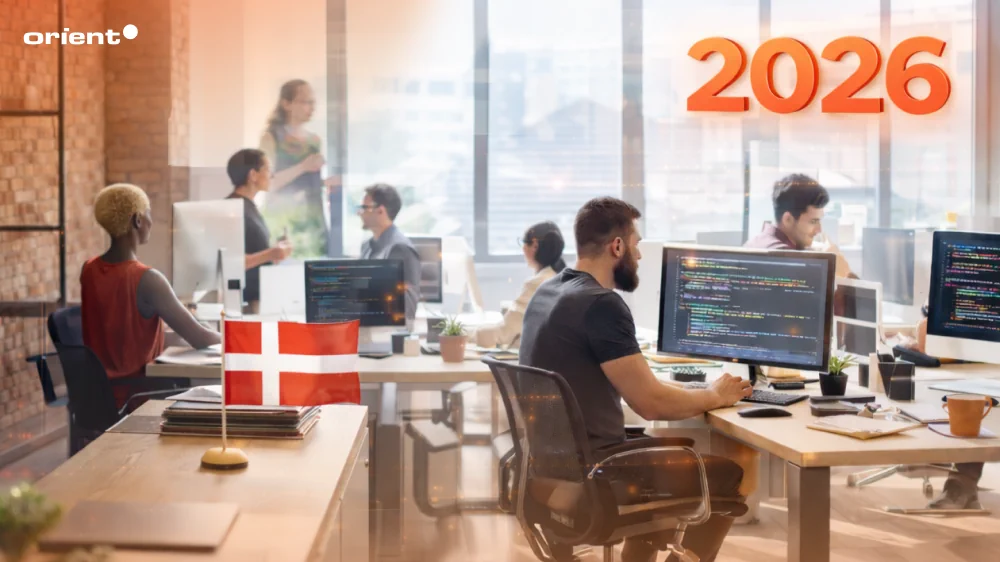
Top Software Development Companies in Denmark (2026 Guide)
Denmark is known for its innovative tech scene and high-quality software development. In 2026, it continues to be a hub for global tech companies and startups alike.
Content Map
More chaptersDenmark is proudly presented as a country of innovation. This is not a self-assigned label, but a reality recognized by international organizations like the European Investment Bank or the Digital Economy and Society Index.
Denmark stands out for its strong technology and innovation landscape. It is an ideal location for innovation-driven businesses, early adopters of new technologies, and even for those who are simply looking for a partner with a high-quality talent pool. All this already proves that Denmark is an ideal country for software development projects, but that’s not all. To learn what other perks this country has to offer, let’s read on and find out!
Key Takeaways:
- Denmark is deemed a country of innovation and the most digital country in Europe, demonstrating its highly advanced tech landscape.
- It is no coincidence that Denmark is considered to be a “Nordic tech hub”, seeing its strong growth in the software industry, especially in fintech, greentech, and life sciences.
- Additionally, what makes Denmark so attractive is its working culture, which puts a strong emphasis on boundaries and work-life balance.
- Most of Denmark’s top software development firms have a long history and a strong global presence.
- The country’s hourly rates are the highest in Northern Europe, comparable to Germany and the UK.
Denmark’s Software Development Landscape
According to the European Investment Bank’s (EIB) 2025 Investment Survey, Denmark’s growth and innovation statistics are remarkable.
- Only 44% of Danish firms did not innovate in 2025, outperforming the United States (47%) and the EU-27 average (68%).
- Digital Leadership: 92% of Danish companies utilize at least one advanced digital technology, ranking Denmark #1 in the European Union.
- AI Adoption: 58% of Danish businesses have already adopted Generative AI tools (e.g., ChatGPT, Copilot), the second-highest share in Europe.
The country’s strong preference for innovation and tech isn’t confined to tech companies only; the Danish people also embrace technology in their daily lives.
- 92% of Danish internet users utilize digital public services, compared to an EU average of 64%, according to the European Commission, Digital Economy and Society Index (DESI).
Other notable statistics reflecting Denmark’s technology landscape include:
- Denmark achieved an E-Government Development Index (EGDI) score of 0.9847, ranking it first out of 193 countries. (United Nations E-Government Survey)
- 95% of Danish households have access to Very-High-Capacity Networks (VHCN), and 5G coverage reaches 98% of populated areas.
All these statistics clearly demonstrate Denmark’s mature tech landscape. Companies looking to work with Danish businesses benefit from speedy development cycles as they’re already using advanced technology, secure data transactions, and early adopters of generative AI tech.
Why Choose Denmark for Your Next Software Development Project?
From innovation capacity to workforce quality, Denmark offers a rare combination of strengths that support complex and long-term software development initiatives. The following factors explain why companies increasingly choose Denmark for their next project.
Innovation & Specialization: Leadership in FinTech, GreenTech, and Life Sciences
Denmark is an innovation hub, with a well-balanced ecosystem that supports innovation across sectors. Nonetheless, fintech, greentech, and life sciences are standout fields of the country. Here is a quick glimpse at these three sectors of Denmark.
Fintech
Denmark’s tech advances and strong entrepreneurial culture have played a major role in the country’s fintech boom. The tech adoption was further accelerated during the pandemic.
The country’s fintech operation spreads across banking, payments, expense and payroll management, lending, robo-trading, remittances, and cryptocurrency.
Not only has the country’s fintech sector boomed, but it has also produced multiple successes like Tradeshift, Lunar, and Chainanalysis. These achievements wouldn’t have been possible without multiple government initiatives and support, including open and collaborative regulators, constructive dialogue with the Danish Financial Supervisory Authority (FSA), the FSA regulatory sandbox (FSA Lab), and Copenhagen Fintech Lab, especially in accelerating innovation and scaling startups.
Greentech
Despite the strong growth in technology, Denmark doesn’t leave the environment as an afterthought. The country poses ambitious goals – to achieve 70% emission cuts by 2030, and climate neutrality by 2050.
Greentech, or green technology, refers to solutions built to minimize environmental harm by using innovation and sustainable practices to reduce humanity’s impact on the planet. Some of the country’s notable national green strategies and initiatives include:
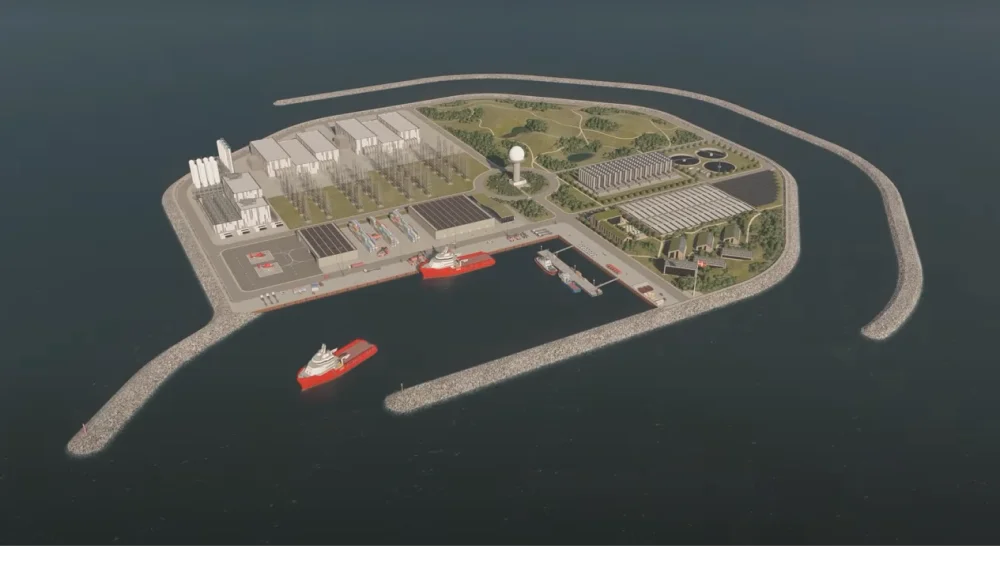
- Energy Islands: Denmark is building the world’s first “Energy Islands” in the North Sea and the Baltic Sea to serve as massive green energy hubs. Simply put, these structures will collect and distribute electricity from surrounding offshore wind farms directly to the Danish grid and neighboring European countries. They will also house Power-to-X facilities.
- Green leadership: The country established its Ministry of the Environment in 1971 – the world’s very first. This 50-year head start has allowed Denmark to create its first commercial offshore wind farm (called Vindeby) in 1991 and develop world-class systems for district heating and waste-to-energy.
- Power-to-X (PtX): Power-to-X is a technology that turns excess renewable electricity (such as energy from wind or solar) into other usable forms like hydrogen, synthetic fuels, or heat, making it possible to store green energy and apply it in hard-to-electrify sectors such as shipping, aviation, and industrial manufacturing. This tech solves the challenge of storing renewable energy, prompting Denmark to become a “green fuel station”.
Life Sciences
The Danish life science sector is pushed forward by strong public-private collaboration, a world-class ecosystem (especially Medicon Valley, a leading cross-border life science cluster in the Greater Copenhagen region and the Skåne region. It is a powerful hub for biotech, pharma, medtech, universities, and hospitals, a skilled talent pool, and supportive government strategies.
This synergy has cemented Denmark’s status as a global powerhouse for pharmaceuticals, medical devices, and health tech. The ecosystem is celebrated for its vibrant startup scene, streamlined regulatory pathways that accelerate clinical trials, and a massive export footprint that serves as a cornerstone of the national economy.
Work Culture: “Danish Way”
Danish work culture is distinctive and attractive to many. The country’s working culture is characterized by:
- High trust
- Flat hierarchies
- Strong emphasis on work-life balance
All together, they support employee productivity and well-being.
Danish businesses focus on autonomy, accountability, and keeping communication direct and outcome-oriented. With clear boundaries between work and life, you can expect the team’s performance to be consistent, and that very little oversight is needed. All in all, “the Danish way” promotes work-life balance, efficiency, and mutual respect – which are great foundational factors for long-term partnerships.
Global Language Proficiency
Danes have an extremely high English proficiency level (up to 90% of the population can speak the language well). While Danish is the official language, German, Swedish, and French are also spoken among parts of the population, so language barriers are rarely an issue in day-to-day collaboration or business communication.
Top Software Development Companies in Denmark
With a well-established tech ecosystem and a strong focus on quality, Denmark has no shortage of capable software development partners. Here are some of the top companies worth considering.
Trifork
- Founded in 1996 in Aarhus, Denmark.
- Headquarters: While the group is listed on Nasdaq Copenhagen (TRIFOR), its administrative headquarters moved to Schindellegi, Switzerland, in 2014 to support international expansion.
- Company size: Approximately 1,197 employees (as of late 2025/ early 2026).
Trifork, with its long history, has operated across 16 different countries, delivering successful projects to many clients. The company’s core services span digital health, fintech (building early architecture for MobilePay), AI and cloud operations, and smart enterprise solutions. The company also has a venture capital-style arm that invests in and co-founds high-potential tech startups to keep the parent company at the forefront of emerging technology. Additionally, the company offers services relating to the government, aviation, and transportation.
Systematic
- Founded in 1985 in Aarhus, Denmark.
- Headquarters: Søren Frichs Vej 39, 8000 Aarhus C, Denmark (home to the iconic 14-story Systematic Tower).
- Company size: Approximately 1,280+ employees globally (as of early 2026).
Systematic is a company with significant projects in the US, UK, and Germany. Its footprint spans across 15 countries, with notable industries including:
- Defense (C4ISR): Their SitaWare suite helps the military see what’s happening and make better decisions in real time.
- Healthcare: Their platform manages electronic health records (EHR) and clinical logistics.
- Digital transformation
- Power-to-X & infrastructure: This is a new business unit that focuses on protecting critical infrastructure like airports and energy networks.
It is safe to say that Systematic is deeply involved in building scalable solutions for national security.
NNIT (Novo Nordisk IT)
.webp)
- Established: Founded in 1994 as an independent business unit of Novo Nordisk; it went public in 2015.
- Headquarters: Weidekampsgade 14, 2300 Copenhagen S, Denmark. It is moving its headquarters soon.
- Company size: Approximately 1,600 – 1,700 employees globally.
NNIT is focused on highly regulated IT solutions, particularly where the intersection of technology and patient safety is critical. It is no surprise, hence, that the company specializes in clinical trial management, regulatory affairs, laboratory informatics, and manufacturing execution systems (MES). It is also known for implementing standard platforms like SAP for enterprise, but the company does offer a software engineering team for custom software development services.
Other notable services of NNIT include quality and compliance, AI and data management, and the public sector.
Netcompany
- Established: Founded in 1999 in Copenhagen
- Headquarters: Strandgade 3, 1401 Copenhagen, Denmark.
- Company size: Approximately 8,600+ employees (as of early 2026).
Known to be a direct competitor of tech giants like Accenture and CapeGemini, Netcompany emphasizes “responsible digitization.” It specializes in end-to-end IT services, prioritizing high-complexity, business-critical systems.
- Digital transformation and platforms: the organization provides bespoke software development services using proprietary platforms like AMPLIO.
- AI & machine learning: The company launched Feniks AI, a tool designed to accelerate the modernization of legacy IT systems.
- System integration and development: Specializing in custom software development and system modernization.
- Banking Services: Following the 2025 merger with SDC, they now offer a full suite of core banking, AML, and mobile banking solutions.
The company has a global presence in 10 countries, ranging from Europe to Vietnam.
Halfspace
- Established: Founded in 2015 by Simon Kristiansen and Kasper Nagel Nielsen.
- Headquarters: Kronprinsensgade 7, 1114 Copenhagen, Denmark.
- Company size: Approximately 80–85 employees (as of early 2026).
Halfspace is known for its talent pool – all very academically talented, employing PhDs in physics, mathematics, and computer science from institutions like CERN, Stanford, and Oxford. The organization focuses on solving complex and “uncertain” problems. This lays the foundation for its core services:
- Decision making under uncertainty: Building advanced forecasting, pricing, and scheduling systems
- Frontier generative AI: Developing “agentic” AI tools that go beyond simple chatbots to automate complex, text-heavy business workflows.
- Scalable data platforms: Designing the cloud infrastructure required to run enterprise-grade AI at scale.
- AI strategy and roadmap: Linking AI initiatives directly to business and creating operational roadmaps for the long run.
Accenture acquired Halfspace in March 2025 to serve as the foundation for its new “Center for Advanced AI” in the Nordic region.
KMD
- Founded in 1972 as a municipal data center.
- Headquarters: Lautrupparken 40-42, 2750 Ballerup, Denmark.
- Company size: Approximately 2,700 – 3,200 employees globally (as of early 2026).
Originally called Kommunedata, this 50-year-old company has played a silent role in Denmark’s welfare state. It specializes in high-volume, secure data processing, so it only makes sense that its clients span across the public sector (including the Danish State), major utility companies like Energi Fyn, primary schools in Denmark, and national health services. Additionally, KMD specializes in welfare technology, energy and utility, and cybersecurity and cloud.
- Mobile app development: The company’s core specialty.
A quick note: the company was acquired by the Japanese tech giant NEC Corporation in 2019.
Shape (now Framna)
.webp)
- Founded in 2010 in Copenhagen.
- Headquarters: Njalsgade 17A, 2300 Copenhagen S, Denmark.
- Company size: Within Denmark, the team consists of approximately 150 employees. However, as part of the broader Framna group (formed after the Waterland acquisition), it is now part of a network of over 900+ digital experts across 10 European countries.
Shape is a mobile development agency that has quickly grown into a go-to place for high-end digital products. The core services of Shape involve end-to-end mobile development services.
- Product discovery and strategy: Helping clients map out their digital direction and clarify user value before any code is written.
- UI/UX design: A heavy focus on “design-led” development, which has led to multiple awards.
- Internet of Things (IoT) and connectivity: Building the mobile interfaces and software layers that connect physical products (like high-end speakers or medical devices) to the cloud.
After the acquisition by the private equity firm Waterland in 2023, Shape has transitioned into a global “product agency” platform (under the Framna group) focused on scaling award-winning mobile experiences across international markets.
Orient Software
Orient Software is one of the most established and recognizable names in the Vietnamese IT outsourcing landscape. The company was founded on a unique collaboration between Vietnamese and Norwegian management, blending Nordic business ethics with high-velocity Asian engineering.
- Established: Founded in 2005.
- Headquarters: 364 Cong Hoa Street, Tan Binh Ward, Ho Chi Minh City, Vietnam (Etown 1 building).
- Workforce: Approximately 350 – 500+ employees
Orient Software offers a broad range of IT solutions, but its core services are:
- Custom software development: Their primary business, focusing on scalable web and mobile applications.
- AI and machine learning: A major growth area. The business offers AI consulting, Generative AI implementation, and data engineering.
- Staff augmentation: Providing “Dedicated Software Teams” that serve as an extension of a client’s internal department.
- Quality assurance and software testing: Both manual and automated testing services to ensure high-compliance software standards.
Orient Software is a unique combination of Nordic and Asian work ethics and high-speed development. The company embraces transparency and work-life balance, but operates at Vietnamese cost efficiencies.
Software Development Rates in Denmark
Denmark’s software development rates are among the highest in Europe. This stems from the country’s strong national currency, high living costs, specialized tech (in greentech and life science), and demand for technology experts.
The internal hourly rate of Denmark typically ranges from $50 to $65 (or 350 to 450 DKK). The external billing rate, however, is often higher.
Again, the cost of development varies depending on multiple factors, but here is what an average hourly rate of software development in Denmark looks like:
| Engagement Type | Hourly Rate (USD) |
|---|---|
| Junior / Mid-level (Internal) | $50 – $75 |
| Senior / Architect (Internal) | $80 – $125 |
| Freelance Developer | $115 – $175 |
| Consultancy / Agency Partner | $175 – $260+ |
Compared to other Nordic countries, Denmark is considered to be a “premium” market, with hourly rates typically higher than those of Norway, Finland, and Sweden. Its rates can be considered comparable to those in the UK or Germany.
If you do decide to work with a Danish partner, however, it is crucial to keep in mind that you are not only paying for service, but also for domain expertise and regulatory alignment. Many of the names we mentioned understand EU regulations like GDPR or EU Annex 11 by default, saving you and your business months and months of rework.
Final Thoughts
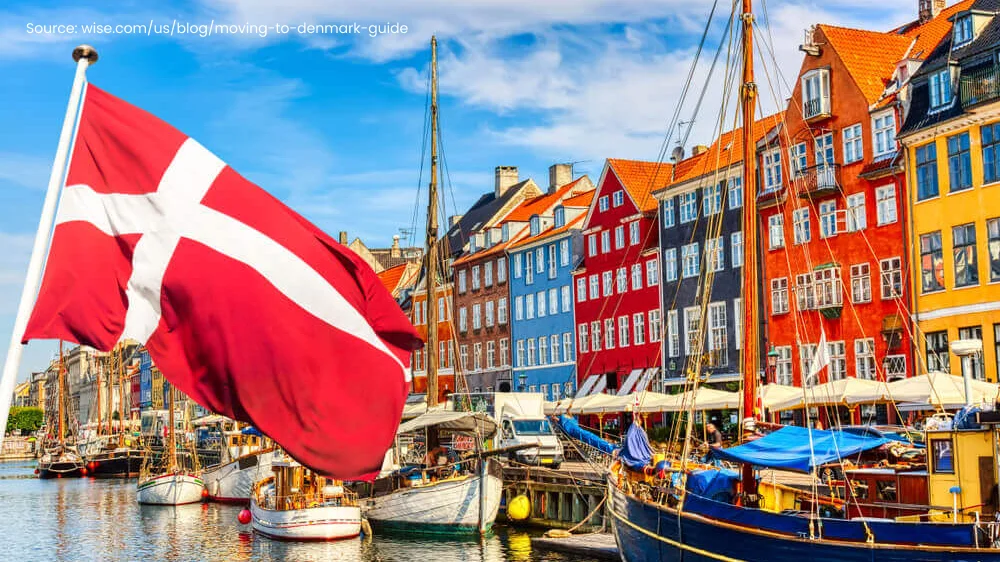
Denmark undoubtedly offers a mature tech market with deep expertise and a strong attention to work-life balance. If you are searching for a premium service, strong English efficiency, a partner who has deep knowledge of the EU’s regulations, and have a project in greentech or fintech, Danish companies should be at the top of your list.
Do you have another project lined up for the Asian market, still looking for high-quality work but with lower costs? Why not reach out to Orient Software? We are a team with 2 decades of experience in both software development and regulatory compliance. Let us know what your plans are and reach out now!

Quynh Pham
Writer
Quynh Pham
Writer
Topic: